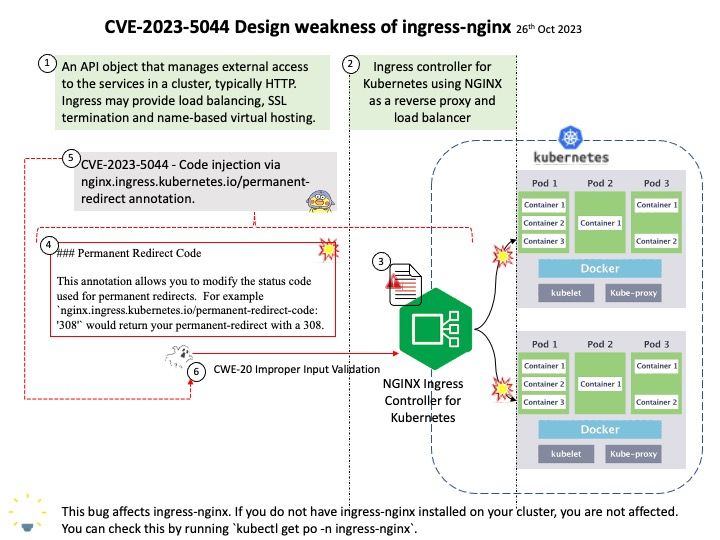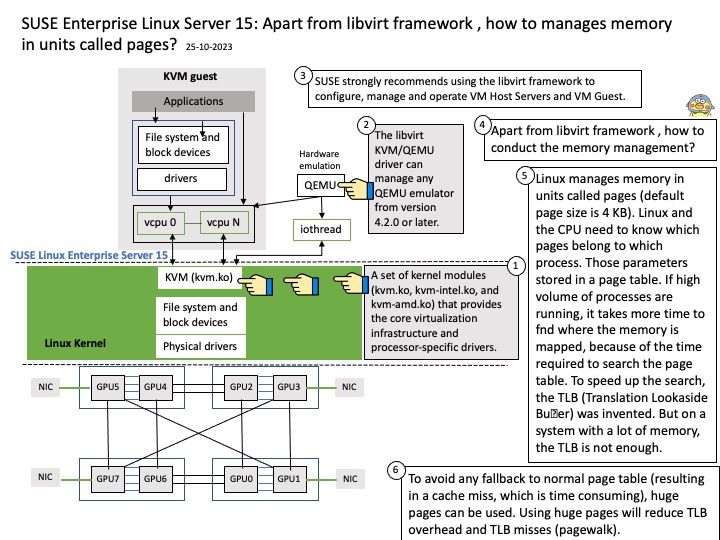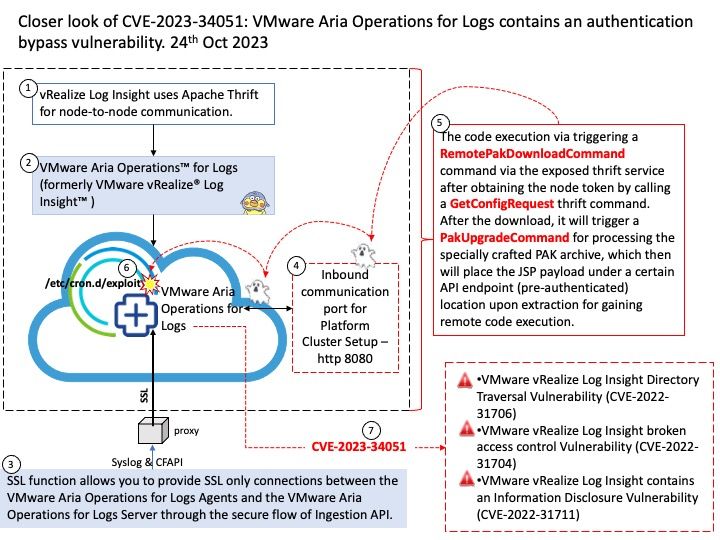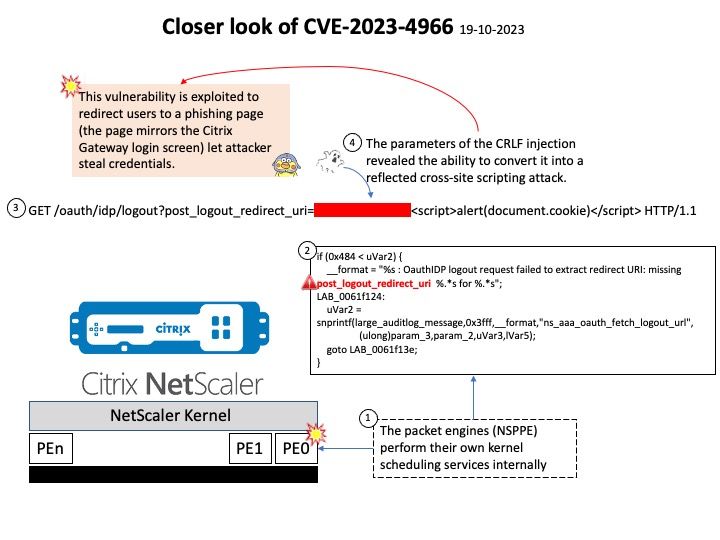
About CVE-2023-32434, CVE-2023-32435 and CVE-2023-32439: When those vulnerabilities details shown, it made me think of a software (Redux) (25th June 2023)

Preface: The state in Redux is stored in memory. This means that, if you refresh the page the state gets wiped out. The state in redux is just a variable that persists in memory because it is referenced by all redux functions.

Background: Safari is a web browser developed by Apple. It is built into Apple’s operating systems, including macOS, iOS, and iPadOS, and uses Apple’s open-source browser engine WebKit, which was derived from KHTML.
The rendering engine is used to display the requested content on the user interface and the browser engine marshalling actions between the UI and the rendering engine.
Redux is a predictable state container for JavaScript apps. It helps you write applications that behave consistently.
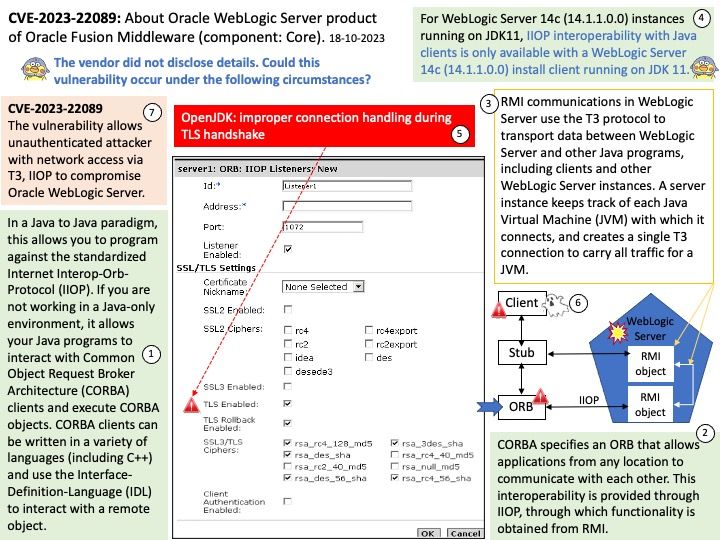
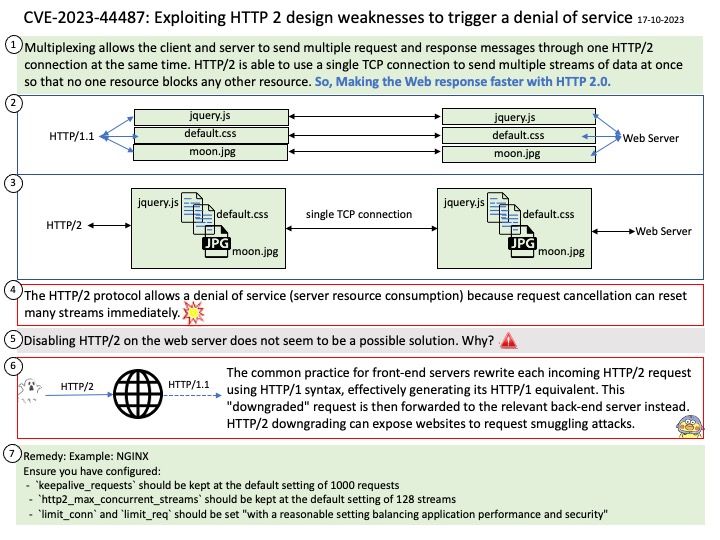
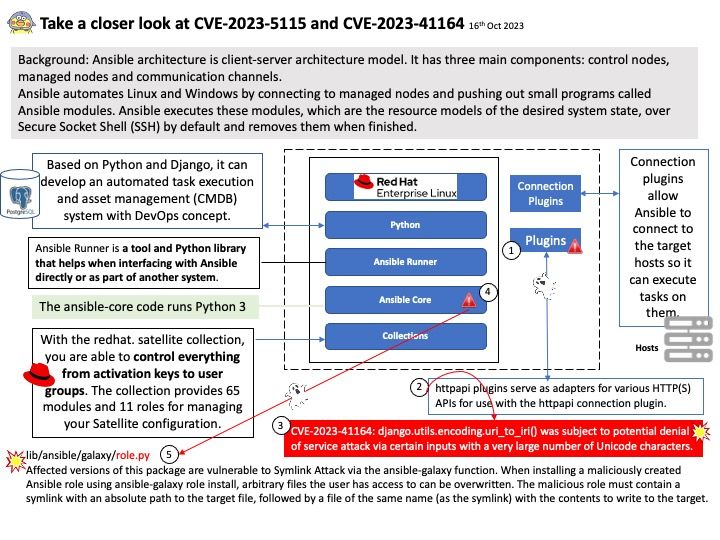
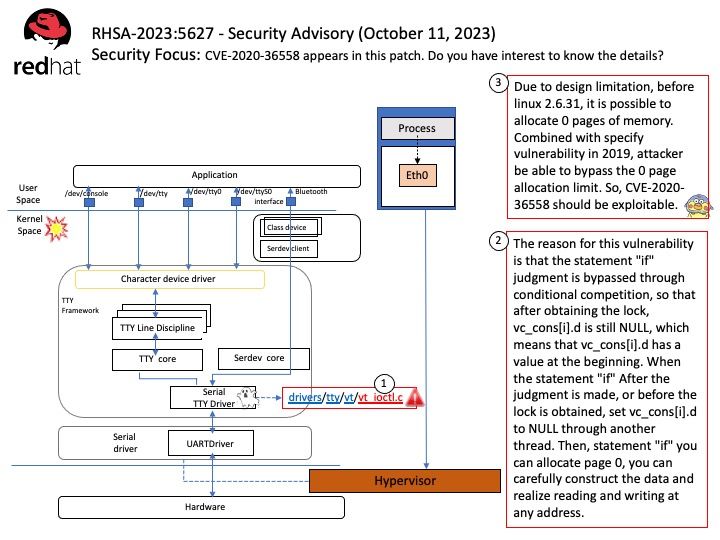
Refer to my speculation (see attached picture). Due to such operation and design. I speculate that these three vulnerabilities are caused by Redux JavaScript library located in browser.

Vulnerability details:
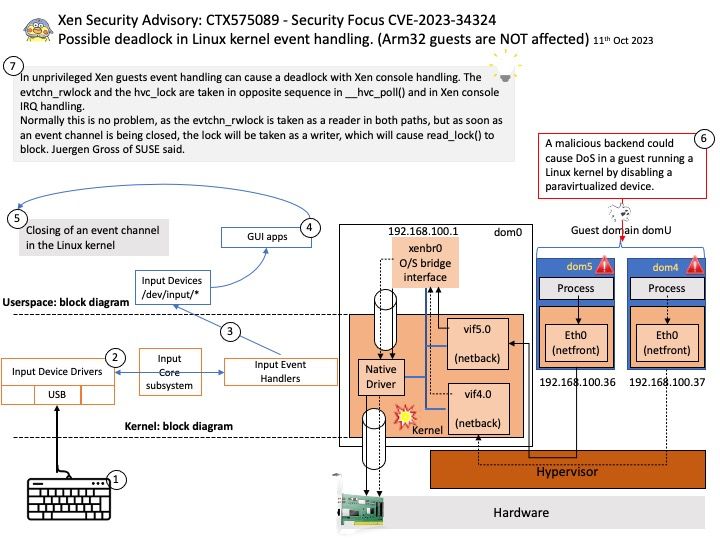
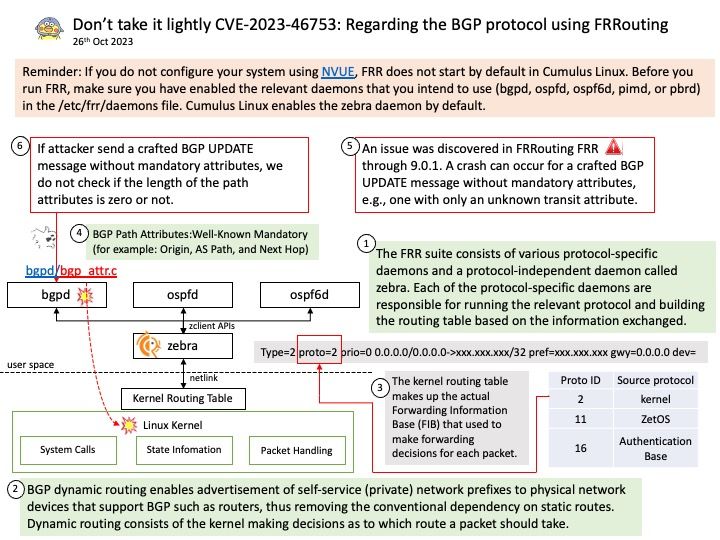
According to CVE-2023-32434, the vulnerability details indicated that a design weakness in input validation.
Thereby, an integer overflow was triggered (CVE-2023-32439), due to weakness of input validation. As a result, a memory corruption issue was happened due to state management weakness (CVE-2023-32435).

https://nvd.nist.gov/vuln/detail/CVE-2023-32434
https://nvd.nist.gov/vuln/detail/CVE-2023-32435
https://nvd.nist.gov/vuln/detail/CVE-2023-32439

CVE-2023-2431: Bypass of seccomp profile enforcement.About access control logic on cloud (22nd Jun 2023)

Preface: Information security driven role base access control. But when cloud service provider design or implement access control. It will be sophisticated. If access control include virtual machine technology under hierarchical structure. In order to harden the effectiveness of the control.
Cloud resources are organised hierarchically, where the organisation node is the root node in the hierarchy, the projects are the children of the organisation, and the other resources are descendants of projects. You can set allow policies at different levels of the resource hierarchy.

Background: Secure computing mode (seccomp) is a Linux kernel feature. You can use it to restrict the actions available within the container.
The seccomp() system call operates on the seccomp state of the calling process.
You can use this feature to restrict your application’s access.
This feature is available only if Docker has been built with seccomp and the kernel is configured with CONFIG_SECCOMP enabled.

Vulnerability details: A security issue was discovered in Kubelet that allows pods to bypass the seccomp profile enforcement. Pods that use localhost type for seccomp profile but specify an empty profile field, are affected by this issue. In this scenario, this vulnerability allows the pod to run in unconfined (seccomp disabled) mode. This bug affects Kubelet.

Official details: For details, please refer to the link – https://nvd.nist.gov/vuln/detail/CVE-2023-2431

About CVE-2023-3220 An issue was discovered in the Linux kernel through 6.1-rc8 (20th June 2023)

Preface: AI Engines are built from the ground up to be software programmable and hardware adaptable. There are two distinct design flows for any developer to unleash the performance of these compute engines with the ability to compile in minutes and rapidly explore different microarchitectures.
As of today, current technology are capable On-device intelligence powered by the AI Engine. Our dreams come true, the 3rd generation AI Engine enables on-device intelligence and simplifies how pictures and videos are taken.

Background: The Qualcomm Robotics RB3 development kit includes the purpose-built robotics-focused DragonBoard™ 845c development board, based on the Qualcomm® SDA845 processor and compliant with the 96Boards open hardware specification to support a broad range of mezzanine-board expansions.
The development board supports Linux and Robotics Operating System (ROS), while also including support for the Qualcomm® Neural Processing software development kit (SDK) for advanced on-device AI, the Qualcomm ® Computer Vision Suite, the Qualcomm ® Hexagon DSP SDK, and AWS RoboMaker.

Vulnerability details: An issue was discovered in the Linux kernel through 6.1-rc8. dpu_crtc_atomic_check in drivers/gpu/drm/msm/disp/dpu1/dpu_crtc[.]c lacks check of the return value of kzalloc() and will cause the NULL Pointer Dereference.

Ref: The kzalloc() function is the same as kmalloc().
Difference: Cleared to zero after memory allocation is successful. After each use of kzalloc(), there must be a corresponding memory release function kfree().

Official announcement: For details, please refer to the link – https://nvd.nist.gov/vuln/detail/CVE-2023-3220

While IPv6 addresses the design limitations of IPv4. The Linux kernel says it takes time to adjust. (20th June 2023)

Preface: Why do I say on behalf of the Linux kernel that it takes time to adjust. If you recall, last year (December 2022), a flaw was found in fib6_rule_suppress() that would crash the kernel. According to the RedHat knowledge base, a resolution is in the works. That’s why I mentioned. Perhaps the website not update the status yet. However there is another new flaw relate to fib6_rule_suppress( ) was found.

Background: Linux kernel has had IPv6 support since 1996. So, you must compile the Linux kernel with IPv6 networking support.
When the IPv6 is in enabled state is set to 0 else it is 1:
cat /sys/module/ipv6/parameters/disable
IPv6 uses the same data struct for both control plane (FIB entries) and
data path (dst entries). This struct has elements needed for both paths
adding memory overhead and complexity (taking a dst hold in most places but an additional reference on rt6i_ref in a few). Furthermore, because of the dst_alloc tie, all FIB entries are allocated with GFP_ATOMIC (Used to allocate memory from interrupt handlers and other code outside of a process context).to improve the scalability of the IPv6 code. It include:
Allow FIB lookups without generating a dst (e.g., most rt6_lookup users just want to verify the egress device). Means moving dst allocation to the other side of fib6_rule_lookup which again aligns with IPv4 behavior.

Vulnerability details: A flaw in the Linux Kernel found. If IPV6 being used in the way that some specific networking local rule enabled and both IPV6 being used, then it can lead to Kernel crash with the message “fib6_rule_suppress+0x22”. It happens when receiving some networking packet to the local IPV6 address that matches this specific rule.

Official announcement: For details, please refer to the link – https://nvd.nist.gov/vuln/detail/CVE-2023-3022

About CVE-2023-33307: When a firewall or proxy encounters a null pointer dereference flaw, which part of its functionality is most likely to be affected? (19th June 2023)

Preface: Linux supports virtual memory, that is, using a disk as an extension of RAM so that the effective size of usable memory grows correspondingly. The kernel will write the contents of a currently unused block of memory to the hard disk so that the memory can be used for another purpose.

Background: Linux supports virtual memory. You can adjust the usage of virtual memory of the Linux kernel.The default on most systems is 60. Setting it to 0 means that Linux won’t swap.
Example: use the sysctl command: sudo sysctl vm[.]swappiness=40.
To change it permanently, edit the /etc/sysctl[.]conf file as root and place the line, “vm[.]swappiness=[swappiness number]”, where “[swappiness number]” is the swappiness number you want.

Ref: Routing and ARP tables are stored in RAM.

Vulnerability details: FortiOS & FortiProxy: authenticated user null pointer dereference in SSL-VPN.
A null pointer dereference in Fortinet FortiOS before 7.2.5 and before 7.0.11, FortiProxy before 7.2.3 and before 7.0.9 allows attacker to denial of sslvpn service via specifically crafted request in network parameter.

Official details: For details, please refer to link – https://nvd.nist.gov/vuln/detail/CVE-2023-33307

About CVE-2023-32027, CVE-2023-32026, CVE-2023-32025, CVE-2023-29356, and CVE-2023-29349. Carefully observe and speculate on design weaknesses in ODBC and OLE DB remote code execution vulnerabilities. (June 16, 2023)

Preface: Since Microsoft didn’t provide details. In this example, no dangerous code is included, just my speculation about a design weakness in the ODBC Driver for SQL Server for this week’s Patch Tuesday.

Background: Switch to the new Microsoft OLE DB Driver (MSOLEDBSQL) for SQL Server or the latest Microsoft ODBC Driver for SQL Server going forward.
The SQL Server Native Client (often abbreviated SNAC) has been removed from SQL Server 2022 (16.x) and SQL Server Management Studio 19 (SSMS). The SQL Server Native Client (SQLNCLI or SQLNCLI11) and the legacy Microsoft OLE DB Provider for SQL Server (SQLOLEDB) are not recommended for new application development. Switch to the new Microsoft OLE DB Driver (MSOLEDBSQL) for SQL Server or the latest Microsoft ODBC Driver for SQL Server going forward. For SQLNCLI that ships as a component of SQL Server Database Engine (versions 2012 through 2019).

Vulnerability details:
Microsoft ODBC Driver for SQL Server Remote Code Execution Vulnerability:
CVE-2023-32027, CVE-2023-32026, CVE-2023-32025 , CVE-2023-29356
Microsoft ODBC and OLE DB Remote Code Execution Vulnerability
CVE-2023-29349

Office announcement: For details, please refer to link – https://msrc.microsoft.com/update-guide/vulnerability/CVE-2023-29349

CVE-2023-34868 – JerryScript Design weakness (15th June 2023)

Preface: Samsung said that Open Source is not only the development method also a culture and various things. Samsung always keep in mind to give back to Open Source through their activities. They are partake in the culture of sharing and collaboration with the list of projects they have released and contributed to.

Background: The IoT.js platform uses JerryScript to run JavaScript code and libuv for asynchronous I/O, and enables developers to create IoT services that communicate with each other and the outside world.
JerryScript is a very lightweight JavaScript engine with capability to run on microcontrollers with less than 8KB of RAM.

Vulnerability details:
CVE-2023-34868 – Jerryscript 3.0 (commit 05dbbd1) was discovered to contain an Assertion Failure via the parser_parse_for_statement_start at jerry-core[/]parser[/]js[/]js-parser-statm[.]c.
My Predcit Consequence: The possibility of triggering an assertion failure, which could cause the BIND process to terminate.
Reference: https://nvd.nist.gov/vuln/detail/CVE-2023-34868

In addition there is another one.
CVE-2023-34867 – Jerryscript 3.0 (commit 05dbbd1) was discovered to contain an Assertion Failure via the ecma_property_hashmap_create at jerry-core[/]ecma[/]base[/]ecma-property-hashmap[.]c.
Reference: https://nvd.nist.gov/vuln/detail/CVE-2023-34867

CVE-2023-33142 – Does it target a similar issue? (14th June 2023)

Preface: Each SharePoint site comes with default groups and permissions.There are several options when it comes to managing permissions in SharePoint.
But you should be aware somethings!

Background: Default Permissions in SharePoint. By default, all SharePoint sites are created with the three security groups below:
• Owners – Have full control over the site
• Members – Can add and edit the content (files, lists, etc) on the site
• Visitors – Can only read
What are the levels of SharePoint site? The default permission levels are Limited Access, Read, Contribute, Design, and Full Control.
SharePoint Server permission levels are defined at the site collection level and are inherited from the parent object by default.

Vulnerability details: CVE-2023-33142 – Microsoft SharePoint Server Elevation of Privilege Vulnerability.
Since Microsoft did not release the technical details. See whether this vulnerability (CVE-2023-33142) will have similarity with attached diagram description?

Official announcement: For details, please refer to the link – https://msrc.microsoft.com/update-guide/vulnerability/CVE-2023-33142

About CVE-2023-21656, Penguin (Linux) also want to ask question to chips vendor (13th June 2023)

Preface: The Out-of-Band vulnerabilities, also known as OOB, are a series of alternative ways that an attacker uses to exploit a vulnerability that can’t be detected by a traditional request-response interaction.

Background: Qualcomm Technologies offers industry leading platforms for wireless networks and products that cover the gamut of device needs. The file (wma_mgmt[.]c) contains STA/SAP/IBSS and protocol related functions.
Ref:
The Independent Basic Service Set (IBSS) is a simple and flexible wireless network configuration designed for situations where there is no centralized access point or other infrastructure in place. It operates by forming an ad hoc, self-contained network with station-to-station traffic flowing directly between devices. This makes IBSS networks effortless to set up and ideal for small groups of users who need a temporary, wireless means of communication without having to rely on any external hardware.

Vulnerability details: CVE-2023-21656 Memory corruption in WLAN HOST while receiving an WMI event from firmware.

Official Announcement: Please see the link for details – https://docs.qualcomm.com/product/publicresources/securitybulletin/june-2023-bulletin.html

CVE-2023-27997 Lack of detail, but can we find hints? (12th June 2023)

Preface: If you need to push audio/video traffic over the tunnel DTLS can be a huge performance improvement.

Background: Preferred DTLS Tunnel
If enabled, FortiClient uses DTLS if it is enabled on the FortiGate and tunnel establishment is successful. If not enabled on the FortiGate or tunnel establishment does not succeed, TLS is used. DTLS tunnel uses UDP instead of TCP and can increase throughput over VPN.
When disabled, FortiClient uses TLS, even if DTLS is enabled on FortiGate.

Vulnerability details: Fortinet has released firmware updates their pre-authentication remote code execution vulnerability in SSL VPN devices.
The security fixes were released on Friday in FortiOS firmware versions 6.0.17, 6.2.15, 6.4.13, 7.0.12, and 7.2.5.

Details of the vulnerability displayed above: Please refer to the bleepingcomputer – https://www.bleepingcomputer.com/news/security/fortinet-fixes-critical-rce-flaw-in-fortigate-ssl-vpn-devices-patch-now/

My observation: Since no details provided by vendor. So, my assumptions can be find in attached diagram.

antihackingonline.com